

Baked mushroom risotto
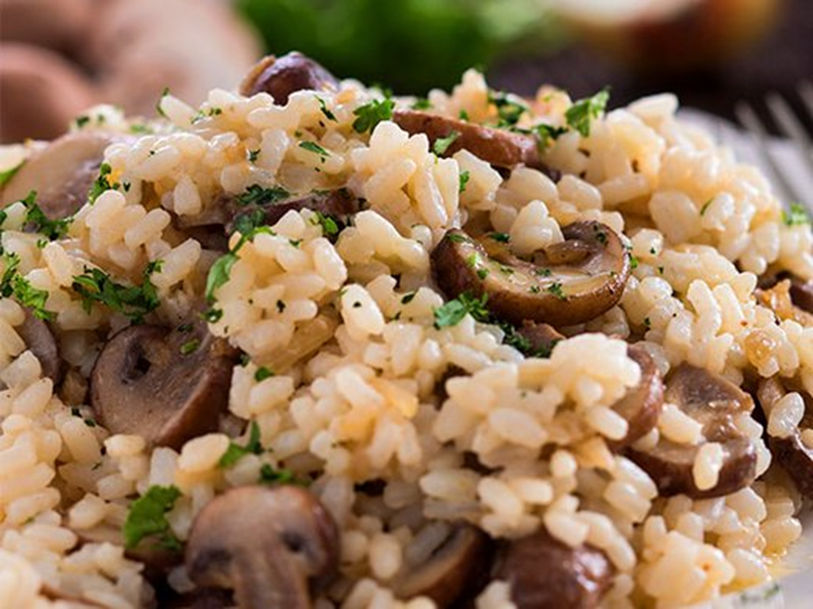
Source: nephrocare.it
Presentation
First course of risotto prepared with rice, mushrooms, mozzarella, onion, garlic, basil or parsley, extra virgin olive oil, white wine, vegetable broth, pepper, salt
Ingredients
for 4 people
280 g (9.9 oz) mushrooms, finely chopped
200 g (7.1 oz) risotto rice
120 g (4.2 oz) mozzarella, sliced and drained
1 medium onion, finely chopped
3 garlic cloves, thinly sliced
1–2 tablespoons finely chopped basil or parsley
2 tablespoons extra-virgin olive oil
75 ml (2.5 fl oz) white wine
500 ml (16.9 fl oz) vegetable broth or water
½ teaspoon salt
A pinch of freshly ground black pepper
Method
Preheat the oven to 180° C.
In a baking dish with a lid, which can go in the oven, heat the oil and fry the onion, until it begins to soften.
Add garlic
Cook for another 2 to 3 minutes, then add the mushrooms.
Pour in the rice and cook until the grains appear glassy.
Add the wine and let it evaporate
Add the vegetable broth or water.
Season with salt and pepper
Cover with the lid and continue cooking in the oven for about 15 minutes.
Cover with a layer of mozzarella and cook until melted and golden brown.
Serve garnished with chopped basil/parsley.
Allergens
Garlic: very rare cases of garlic reactivity reported
Basil: possible cross-reaction in case of allergy to parietaria or spices
Vegetable broth: check the composition for celery or other allergenic ingredients
Onion: possible reactivity in case of nickel allergy due to the vegetable’s ability to concentrate it
Mushrooms: cases of intolerance described
Mozzarella: milk allergens
Extra virgin olive oil: unusual allergy; intolerance not described
Pepper: possible cross-reactivity in case of intolerance to spices
Parsley: possible cross-reaction in case of allergy to spices, mugwort, composites
Rice: (allergy very common in the Far East, almost unknown in Italy and Europe). Possible cross-reaction in case of grass sensitivity
Wine: presence of sulphites included among the allergens in EU Regulation 1169/2011
Notes
To reduce potassium levels, soak the mushrooms and boil them before using them by removing all the cooking water and use water instead of vegetable broth
The ingredients of the dish bring the following benefits:
Garlic: has immune-stimulating properties, promotes liver function and the elimination of waste metabolites. It also has hypocholesterolemic, lipid-lowering, antiplatelet, hypotensive and hypoglycemic properties that promote cardiac function.
Basil: rich in carotenoids that support the immune system and due to the content of mineral salts, vitamins and antioxidants acts to protect the cardiovascular system and the functioning of the liver
Vegetable broth: provides minerals, especially sodium and potassium, useful for regulating heart function and water retention.
Onion: rich in selenium that supports the immune system and with the ability to stabilize blood glucose at normal values; carrier of quercetin, a flavonoid that helps contain cholesterol and triglyceride levels in the blood, parameters related to cardiovascular risk, which also supports liver function by promoting the purification of the body. Also suitable for nephropathic patients.
Buffalo mozzarella: one of the few cheeses that can be included in a low-calorie diet (if not seasoned with oil), low-sodium (therefore against hypertension) and against hypercholesterolemia. Also rich in lactic flora.
Extra virgin olive oil: source of Vitamin E that protects the immune system from harmful fatty acids
Pepper: contains piperine, a powerful antioxidant; improves insulin sensitivity by reducing cholesterol levels and activating metabolism. Recommended for people with cardiovascular problems.
Parsley: rich in carotenoids that support the immune system and mineral salts, vitamins and antioxidants that act to protect the cardiovascular system; also suitable for nephropathic patients and useful for the functioning of the liver for the supply of vitamins, mineral salts and antioxidants
Rice: due to its modest protein content, it is suitable for nephropathic and phenylketonuric patients; since it is an antiuric food, it is recommended in case of gout and hyperuricemia.
White wine: (moderate consumption) counteracts bad cholesterol and raises the levels of good cholesterol, reducing the risk of heart attack and stroke and has a purifying and detoxifying activity favorable to the proper functioning of the liver
Safety / Intended use
Product also intended for subjects with:
- Mucositis(Inflammation and lesion of the oral cavity) only well cooked
- Xerostomia (dry mouth) if well cooked
- Dysphagia (only if in pieces of uniform size and consistency)
Not recommended in case of:
- Diarrhea