

Pumpkin, chickpea and pear cream
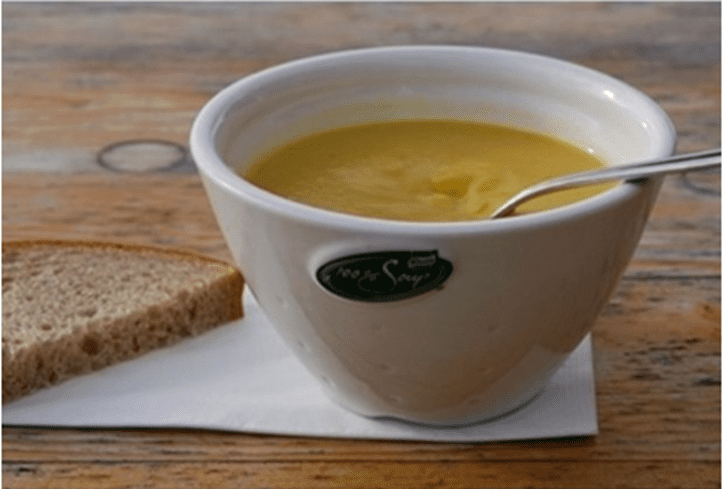
Source: renalizie.it
Presentation
First course consisting of a cream prepared with pumpkin, chickpeas, vegetable broth, dried tomatoes, celery, pear, onion, bay leaf, extra virgin olive oil, salt and paprika
Ingredients
for 4 people
Pumpkin – 250 g (8.8 oz / ≈ 2 cups diced)
Cooked chickpeas – 200 g (7 oz / ≈ 1¼ cups)
Vegetable broth – 500 g / 500 ml (16.9 fl oz / ≈ 2 cups)
Sun-dried tomatoes – 5 pieces (≈ 25 g / 0.9 oz)
Celery – ½ stalk (≈ 40 g / 1.4 oz)
Pear – 1 medium (≈ 170 g / 6 oz)
Onion – ½ medium (≈ 50 g / 1.8 oz)
Bay leaf – 1 leaf
Extra-virgin olive oil – to taste (≈ 1–2 tablespoons / 15–30 ml)
Salt – to taste (≈ ½ teaspoon)
Paprika – to taste (≈ ½–1 teaspoon)
Method
Cut the onion into cubes and brown it together with the celery in a pan with a drizzle of oil.
In the meantime, peel the pumpkin and cut it into cubes as well.
Add the pumpkin, chopped bay leaf, dried tomatoes, a little paprika to the sauté and cover with the broth.
Bring to a boil.
After about 10 minutes, add the chickpeas and immediately after the pears that you have previously cut into wedges.
Cook until the pumpkin has become soft enough.
Remove the bay leaf and blend the contents of the soup until you get a homogeneous cream
Correct paprika if necessary.
Serve decorating with other pear wedges, a small sprinkling of paprika and toasted croutons.
Allergens
Laurel: possible individual allergy
Chickpeas: contain proteins that can trigger allergic reactions in some individuals
Onion: possible reactivity in case of nickel allergy due to the vegetable’s ability to concentrate it
Extra virgin olive oil: unusual allergy; intolerance not described
Paprika: possible cross-reactivity in case of intolerance to spices
Pears: individual fruit intolerance or cross-reactivity in case of birch sensitivity
Tomatoes: possible cross-reaction in case of sensitivity to grasses
Vegetable broth: check the composition for celery or other allergenic ingredients
Celery: included among the allergens in EU Regulation 1169/2011
Pumpkin: possible cross-reaction in case of allergy to Artemisia and Composite
Notes
To be prepared and handled under strict hygienic conditions.
The ingredients of the dish bring the following benefits:
Laurel: leaves and berries have diuretic properties, the leaves are rich in vitamin C favorable to the proper functioning of the immune system, minerals favorable to the production of red blood cells and the functioning of the cardiovascular system
Chickpeas: bearer of factors that promote the functionality of the immune system and regulate blood sugar and due to the content of mineral salts, vitamins and antioxidants, it acts to protect the cardiovascular system; also suitable for nephropathic patients and useful for the functioning of the liver for the contribution of vitamins, mineral salts and antioxidants.
Onion: it is rich in selenium which supports the immune system and with the ability to stabilize blood glucose at normal values; it provides quercetin, a flavonoid that helps contain cholesterol and triglyceride levels in the blood, parameters related to cardiovascular risk, which also supports liver function by promoting the purification of the body. Also indicated for nephropathic patients, it is a good diuretic that prevents kidney stones. Especially if consumed with the peel, it provides folic acid linked to the production of serotonin and therefore favorable to good mood and counteract depression
Extra virgin olive oil: source of Vitamin E that protects the immune system from harmful fatty acids
Paprika: rich in vitamin C, the antioxidant par excellence that fights free radicals and supports the immune system
Pear: containing carotenoids that support the immune system and mineral salts, vitamins and antioxidants that act to protect the cardiovascular system; also suitable for nephropathic patients, useful for the functioning of the liver for the supply of vitamins, mineral salts and antioxidants. Especially if consumed with the peel, it provides folic acid linked to the production of serotonin and therefore favorable to good mood and counteract depression
Tomato: rich in vitamin C, the antioxidant par excellence that fights free radicals and supports the immune system, and provides mineral salts, vitamins and antioxidants that act to protect the cardiovascular system; also suitable for nephropathic patients. Useful for the functioning of the liver for the supply of vitamins, mineral salts and antioxidants. Especially if consumed with the peel, it provides folic acid linked to the production of serotonin and therefore favorable to good mood and counteract depression
Vegetable broth: provides minerals, especially sodium and potassium, useful for regulating heart function and water retention.
Salt: essential for the balance of body fluids and for the transmission of nerve impulses, it is however to be consumed respecting the limit of 5 g per day according to the indications of the WHO so as not to promote arterial hypertension and consequent increase in the risk of cardio-cerebrovascular diseases starting from myocardial infarction and cerebral stroke; to be limited as much as possible in the case of nephropathy.
Celery: rich in carotenoids that support the immune system and mineral salts, vitamins and antioxidants that act to protect the cardiovascular system and useful for the functioning of the liver for the supply of vitamins, mineral salts and antioxidants. Suitable for those with cholesterol problems, as it promotes its disposal. A species that provides folic acid linked to the production of serotonin and therefore favorable to good mood and counteract depression
Pumpkin: rich in carotenoids that promote the functionality of the immune system and mineral salts, vitamins and antioxidants that act to protect the cardiovascular system; also suitable for nephropathic patients. Useful for the functioning of the liver for the supply of vitamins, mineral salts and antioxidants. It provides folic acid linked to the production of serotonin and therefore favorable to good mood and counteract the depressed
Safety / Intended use
Can be administered in case of:
- Transplantation
- Renal impairment
Can also be administered in case of:
- Xerostomia (dry mouth),
- Dysphagia (Problems chewing – swallowing)
- Constipation
- With caution in case of Mucositis in consideration of the degree of spiciness
Not to be administered in case of:
- Diarrhea
- Constipation with meteorism