

Trenette with anchovy and tomato
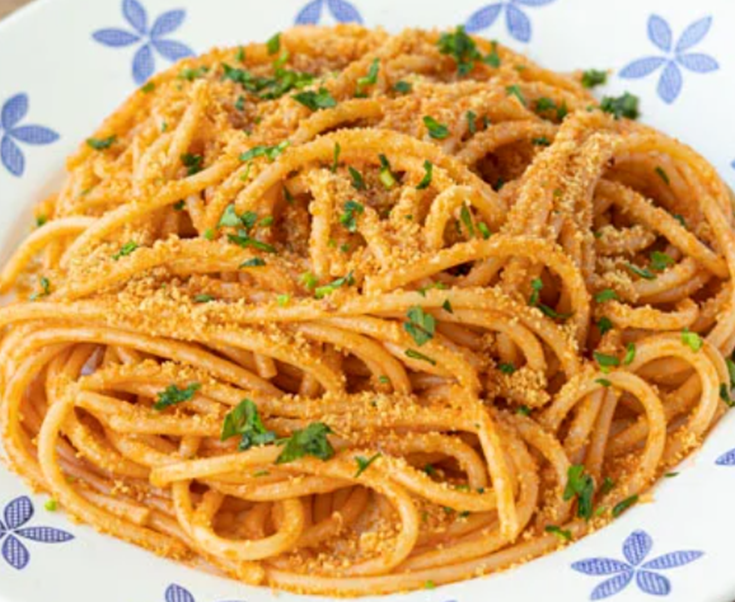
Source: diabete.net; fattoincasadabenedetta.it Photos
Presentation
A nutritious recipe, consisting of a first course prepared with pasta (trenette), extra virgin olive oil, anchovies, garlic, tomato, chilli, parsley, salt
Ingredients
for two people:
Trenette (pasta) – 160 g (5.6 oz / ≈ 1¾ cups dry)
Extra-virgin olive oil – 4 teaspoons (20 ml / 0.7 fl oz)
Desalted anchovy fillets (crushed) – 20 g (0.7 oz / ≈ 4–6 fillets)
Garlic – 1 clove (≈ 3 g / 0.1 oz)
Chopped tomato pulp – 250 g (8.8 oz / ≈ 1 cup)
Chili pepper – to taste (≈ ¼ teaspoon crushed or 1 small chili)
Chopped parsley – 1 teaspoon (≈ 1 g / 0.04 oz)
Salt – to taste (≈ ¼–½ teaspoon)
Preparation
Cook the trenette in boiling, abundant and salted water
Drain them al dente
Place them in a concave, heated dish.
Prepare the sauce by browning the garlic and chilli pepper in a small pan with the oil
Add the anchovy pesto and, almost at the same time, the tomato
Season with a little salt.
Remove the sauce from the heat after 8 minutes of cooking after boiling
Pour it over the pasta
Add the parsley
Serve
Allergens
Anchovies: fish products included among the allergens in EU Regulation 1169/2011
Garlic: very rare cases of garlic reactivity reported
Extra virgin olive oil: unusual allergy; intolerance not described
Pasta (trenette): contains gluten from cereals included in EU Regulation 1169/2011
Chili pepper: possible cross-reactivity in case of intolerance to spices
Tomatoes: possible cross-reaction in case of sensitivity to grasses
Parsley: possible cross-reaction in case of allergy to spices, mugwort, composites
Notes
To be prepared and handled under strict hygienic conditions.
The ingredients of the dish bring the following benefits:
Anchovies: source of Vitamin E that protects the immune system from harmful fatty acids and has a high content of omega 3 fatty acids, which inhibit platelet aggregation (cardiovascular risk factor). Useful for liver function due to the supply of zinc, selenium and omega 3 and 6 fatty acids. Essential fatty acids, such as omega 3 and 6, have an antidepressant effect and maintain efficient nervous system and memory
Garlic: has immune-stimulating properties, promotes liver function and the elimination of waste metabolites. It also has hypocholesterolemic, lipid-lowering, antiplatelet, hypotensive and hypoglycemic properties that promote cardiac function.
Extra virgin olive oil: source of Vitamin E that protects the immune system from harmful fatty acids
Pasta (trenette): if produced with wholemeal flour, which provides zinc, an element favorable to the proper functioning of the immune system; also suitable for nephropathic patients. Cereals stimulate the synthesis of serotonin which counteracts depression and promotes good mood. Chili pepper: rich in vitamin C, the antioxidant par excellence that fights free radicals and supports the immune system, reduces blood cholesterol indexes and hinders its formation on the arteries. It contains vitamins A, D and E and is very effective in activating the venous and capillary circulation. It provides folic acid linked to the production of serotonin and therefore favorable to good mood and counteract depression
Tomato: rich in vitamin C, the antioxidant par excellence that fights free radicals and supports the immune system, and provides mineral salts, vitamins and antioxidants that act to protect the cardiovascular system; also suitable for nephropathic patients. Useful for the functioning of the liver for the supply of vitamins, mineral salts and antioxidants. Especially if consumed with the peel, it provides folic acid linked to the production of serotonin and therefore favorable to good mood and counteract depression
Parsley: rich in carotenoids that support the immune system and mineral salts, vitamins and antioxidants that act to protect the cardiovascular system; also suitable for nephropathic patients and useful for the functioning of the liver for the supply of vitamins, mineral salts and antioxidants
Salt: essential for the balance of body fluids and for the transmission of nerve impulses, it is however to be consumed respecting the limit of 5 g per day according to the indications of the WHO so as not to promote arterial hypertension and consequent increase in the risk of cardio-cerebrovascular diseases starting from myocardial infarction and cerebral stroke; to be limited as much as possible in the case of nephropathy.
Safety / Intended use
Product also intended for subjects with:
- Anorexia – Weight Loss
- Constipation
Not recommended in case of:
- Diarrhea
- Nausea and vomiting
- Mucositis (inflammation and injury of the oral cavity)
- Dysphagia (problems chewing and swallowing)