

Vegetable and Legume Minestrone
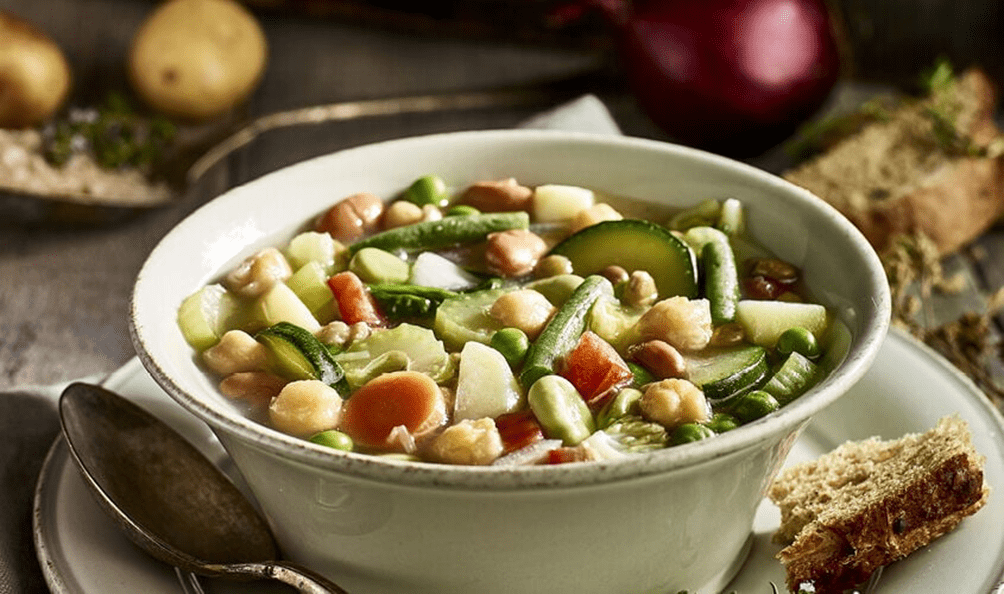
Source: iulm.it; foto bofrost.it
PRESENTATION
A first course prepared with rice, beans, pumpkin, potatoes, tomato, zucchini, peas, broad beans, carrot, celery, onion, garlic, parsley, extra-virgin olive oil, salt, and pepper.
INGREDIENTS:
For 2 servings
- 100 g (about 3.5 oz) whole-grain rice
- 100 g (about 3.5 oz) fresh beans
- 100 g (about 3.5 oz) pumpkin
- 100 g (about 3.5 oz) potatoes
- 100 g (about 3.5 oz) tomato pulp
- 100 g (about 3.5 oz) zucchini
- 50 g (about 1.8 oz) peas
- 50 g (about 1.8 oz) fresh broad beans
- 1 carrot
- ½ celery heart
- ½ onion
- 1 garlic clove
- A handful of parsley
- 2 tablespoons extra-virgin olive oil
- Salt, to taste
- Pepper, to taste
METOD
Place the carrot and celery cut into small pieces, the beans, broad beans, and peas into a terracotta pot.
Add the olive oil and about 1 liter (4 cups) of water.
Bring to a boil and cook for about 1 hour.
Add the tomato pulp, diced potatoes, zucchini, and sliced pumpkin. Complete with the chopped onion, garlic, and parsley.
Season with salt and pepper and cook for another hour.
Add the rice and cook until done; if necessary, add a small amount of boiling water.
ALLERGENS:
- Garlic: very rare cases of reactivity reported
- Carrot: possible individual intolerance and cross-reactivity in cases of allergy to Artemisia, Graminaceae, Compositae, and birch pollen
- Onion: possible reactivity in individuals with nickel allergy due to its ability to concentrate nickel
- Beans: possible cross-reactivity in cases of allergy to parietaria
- Broad beans: possible allergies in predisposed individuals; cause of favism in subjects with a genetic deficiency of the G6PD enzyme
- Extra-virgin olive oil: allergy is uncommon; intolerance not described
- Potatoes: possible individual intolerance; possible reactivity in cases of allergy to Graminaceae, birch, or parietaria
- Pepper: possible cross-reactivity in cases of spice intolerance
- Peas: possible cross-reactivity in cases of allergy to parietaria; peas should be avoided in cases of favism
- Tomatoes: possible cross-reactivity in individuals sensitive to grasses
- Parsley: possible cross-reactivity in cases of allergy to spices, artemisia, or compositae
- Rice: allergy very common in the Far East but rare in Italy and Europe; possible cross-reactivity in cases of sensitivity to grasses
- Celery: listed among allergens in EU Regulation 1169/2011
- Pumpkin: possible cross-reactivity in cases of allergy to artemisia and compositae
- Zucchini: possible individual intolerance or cross-reactivity in cases of allergy to ragweed
NOTE
Nutritional Benefits of the Ingredients:
- Garlic: immunostimulant; supports liver function and elimination of metabolic waste; hypocholesterolemic, lipid-lowering, antiplatelet, hypotensive, and hypoglycemic properties beneficial to cardiac function
- Carrots: rich in vitamins (B1, B2, C, PP, E, D), carotenoids, minerals, and bioactive compounds that support immune function, vision, diuretic and healing processes, and protect the cardiovascular system; also suitable for individuals with kidney disease and supportive of liver function
- Onion: rich in selenium, supports immune function and helps stabilize blood glucose; provides quercetin, which helps control cholesterol and triglycerides, reduces cardiovascular risk, and supports liver detoxification; also suitable for individuals with kidney disease
- Beans: support immune function and help reduce cardiovascular risk; also suitable for individuals with kidney disease and supportive of liver function
- Broad beans: rich in iron, potassium, magnesium, copper, selenium, and vitamins, especially vitamin C; support immune function, counteract free radicals, promote hematopoiesis, and help reduce cholesterol and blood glucose, supporting cardiovascular health
- Extra-virgin olive oil: a source of vitamin E that protects the immune system from harmful fatty acids
- Potatoes: rich in carotenoids and vitamin C; powerful antioxidants that support immune and cardiovascular health and liver function
- Pepper: contains piperine, a powerful antioxidant; improves insulin sensitivity, reduces cholesterol levels, and activates metabolism; recommended for individuals with cardiovascular problems
- Peas: rich in vitamin C, minerals, vitamins, and antioxidants; support immune and cardiovascular health; also suitable for individuals with kidney disease and beneficial for liver function
- Tomato: rich in vitamin C, minerals, vitamins, and antioxidants; supports immune and cardiovascular health; also suitable for individuals with kidney disease and beneficial for liver function
- Parsley: rich in carotenoids, minerals, vitamins, and antioxidants that support immune and cardiovascular health; also suitable for individuals with kidney disease and beneficial for liver function
- Whole-grain rice: provides zinc, supporting immune function; due to its modest protein content, suitable for individuals with kidney disease and phenylketonuria; anti-uric, recommended in cases of gout and hyperuricemia
- Celery: rich in carotenoids, minerals, vitamins, and antioxidants that support immune and cardiovascular health and liver function
- Pumpkin: rich in carotenoids, minerals, vitamins, and antioxidants; supports immune and cardiovascular health; also suitable for individuals with kidney disease and beneficial for liver function
- Zucchini: provides flavonoids (vitamin P) that enhance the action of vitamin C; rich in minerals, vitamins, and antioxidants that support immune, cardiovascular, and liver health
SAFETY / INTENDED USE
Also suitable for individuals with:
- Constipation
- Mucositis (oral inflammation and lesions), only if well cooked and reduced to small, uniform pieces
- Xerostomia (dry mouth)
Not recommended in cases of:
- Constipation with bloating (meteorism)
- Diarrhea
- Dysphagia (chewing and swallowing difficulties)