

Low-protein Sardinian tart
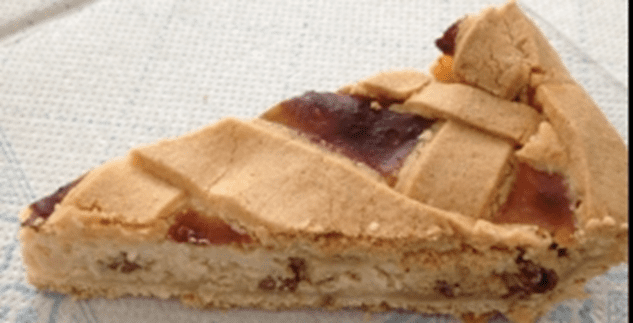
Source: nephrodiet francapasticci.it
Presentation
A nutritious recipe, consisting of a dessert prepared with apoprotein flour, butter, sugar, egg, frumina, low-protein milk, fresh ricotta, raisins, egg white, lemon, low-protein flour
Ingredients
For the shortcrust pastry:
Apoprotein flour – 250 g (8.8 oz / ≈ 2 cups)
Butter – 100 g (3.5 oz / ≈ 7 tablespoons)
Sugar – 120 g (4.2 oz / ≈ ½ cup + 1 tablespoon)
Egg – 1 large
For the filling:
Frumina (wheat starch) – 25 g (0.9 oz / ≈ 2 tablespoons)
Sugar – 40 g (1.4 oz / ≈ 3 tablespoons)
Low-protein milk – 250 g / 250 ml (8.5 fl oz / ≈ 1 cup)
Fresh ricotta – 175 g (6.2 oz / ≈ ¾ cup)
Raisins – 30 g (1.1 oz / ≈ 3 tablespoons)
Egg white – 1 large (≈ 30 g / 1 oz)
Grated lemon peel (zest) – from 1 lemon (≈ 1 tablespoon / 2–3 g)
Low-protein flour (for rolling out) – as needed (≈ 1–2 tablespoons)
Method
For the low-protein shortcrust pastry, put the low-protein flour, the butter just removed from the refrigerator and cut into small pieces and the sugar in a bowl.
Work sugar and butter with your fingers to mix them.
Add the egg and quickly knead the ingredients.
Form a ball and let it rest for at least 1 hour in a cool place, wrapped in a cloth.
For the filling, put the frumina and sugar in a saucepan, stir and add the low-protein milk.
Place on low heat and bring to a boil.
Cook for a few minutes, like polenta.
Off the heat, but hot, add the ricotta, raisins, abundant lemon peel and egg white.
Mix well.
Take the shortcrust pastry and leave aside a piece that will be used to decorate the cake.
With the rest, line a buttered cake pan (or lined with parchment paper). Spread the prepared mixture on top and decorate with strips or cords made with the remaining pastry.
Bake in a moderately hot oven – about 160 ° – for an hour.
Allergens
Egg white: egg allergens, included among the allergens in EU Regulation 1169/2011
Butter: milk allergens (except in clarified butter) if not clarified
Protein-free flour: gluten-free
Low-protein flour: Low-protein flour: low in gluten
Frumina (wheat starch): contains cereal gluten included in EU Regulation 1169/2011
Protein-free milk: milk allergens
Limes: possible individual intolerance; possible cross-reaction in case of grass pollen allergy
Cottage cheese: milk allergens
Egg: included among the allergens in EU Regulation 1169/2011
Raisins: possible presence of sulphites
Notes
To be prepared and handled under strict hygienic conditions.
The ingredients of the dish bring the following benefits:
Egg white: free of fat and cholesterol, it is useful in case of high cholesterol and gallstones and suitable for high-protein diets.
Butter: source of fat-soluble vitamins (A, D, E and K) favorable to the health of the eyes, mucous membranes, bones, immune system and blood clotting.
Protein-free flour: indicated in case of kidney failure or liver dysfunction. It stimulates the synthesis of serotonin which counteracts depression and promotes good mood
Low-protein flour: indicated in case of renal insufficiency or liver dysfunction. It stimulates the synthesis of serotonin which counteracts depression and promotes good mood
Wheat starch (Frumina): favorable to intestinal function by acting as a prebiotic and helps reduce cholesterol and glycemic load
Low-protein flour: indicated in case of renal insufficiency or liver dysfunction. It stimulates the synthesis of serotonin which counteracts depression and promotes good mood
Lemon: Rich in substances with antioxidant action: vitamin C, beta-carotene, cryptoxanthin, lutein and zeaxanthin, which promote the regeneration of liver cells, the functionality of the immune system and which act to protect the cardiovascular system; also suitable for nephropathic patients and useful for the functioning of the liver for the supply of vitamins, mineral salts and antioxidants. A species that provides folic acid linked to the production of serotonin and therefore favorable to good mood and counteract depression
Ricotta. Useful for the functioning of the liver for the supply of vitamins, mineral salts and antioxidants and for the proper functioning of the cardiovascular system. The presence of tryptophan helps to counteract depression
Egg: source of Vitamin E that protects the immune system from harmful fatty acids. Rich in Vitamin D that fights mood disorders
Raisins (Sultanas): source of antioxidants, including resveratrol, with anti-inflammatory, anticancer properties and able to reduce blood cholesterol levels. It provides folic acid linked to the production of serotonin and therefore favorable to good mood and counteract depression
Sugar: if consumed in moderation without contraindications (diabetes, obesity) it is the main source of energy for the body, improves thinking ability, has a positive effect on mood
Safety / Intended use
Can also be administered in case of:
- Anorexia – Weight Loss
- Nausea and vomiting
Not to be administered to individuals suffering from:
- Mucositis – Inflammation and Lesions of the oral cavit
- Xerostomia (dry mouth)
- Dysphagia (problems chewing and swallowing)
- Diarrhea