

Muffins with olives and rosemary
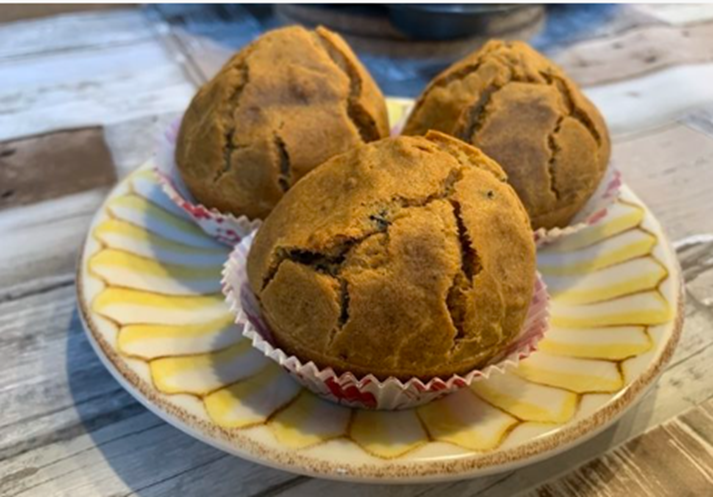
Source: renalizie.it
Presentation
A nutritious recipe, consisting of a dessert prepared with low-protein flour, baking powder, baking soda, rosemary, egg, black olives, salt, pepper, sunflower seeds, sour cream
Ingredients
Makes 12 muffins
- 400 g low-protein flour (about 14 oz / 3⅓ cups)
- 8 g baking powder (about 2 teaspoons)
- 2 g baking soda (about ½ teaspoon)
- Chopped rosemary, as needed
- 1 egg
- 40 g chopped black olives, preferably Taggiasca (about 1.4 oz / ¼ cup)
- 1 pinch of salt
- Freshly ground black pepper, to taste
- 60 g sunflower oil (about ¼ cup / 2 fl oz)
- 120 g sour cream (about 4.2 oz / ½ cup)
- 280 ml water (about 1.2 cups / 9.5 fl oz)
Method
Preheat the convection oven to 160 °C or static to 180 °C.
In a bowl, mix the low-protein flour with the baking powder, baking soda, rosemary, herbs and chopped olives.
In a separate bowl, quickly whisk together the egg, sunflower oil, sour cream and water.
Add the contents of the two bowls and stir until all the ingredients are well blended.
Grease the muffin pan and flour it with the low-protein flour.
Then distribute the mixture in the mold.
Then bake on the middle shelf of the oven and bake for 35-40 minutes.
Once cooked, let the muffins cool in the pan.
Allergens
Low-protein flour: low in gluten
Dry yeast (Saccharomyces cerevisiae didhydrated): does not contain allergens
Olives: olive allergy is very rare: a case described in Spain
Sour cream or crème fraiche: milk allergens
Pepper (green, pink, black, grey, white): possible cross-reactivity in case of spice intolerance
Rosemary: possible reaction in case of intolerance to spices
Sunflower seeds: possible reaction in case of allergy to Asteraceae (Ambrosia, Chrysanthemum, Daisy)
Egg: included among the allergens in EU Regulation 1169/2011
Notes
To be prepared and handled under strict hygienic conditions.
The ingredients of the dish bring the following benefits:
Bicarbonate: has an antacid action; favorable in case of ventricular arrhythmias, contributes to the prevention of kidney stones
Low-protein flour: indicated in case of renal insufficiency or liver dysfunction. It stimulates the synthesis of serotonin which counteracts depression and promotes good mood
Dry yeast (Saccharomyces cerevisiae didhydrated): improves metabolism and helps strengthen the immune system
Olive: source of Vitamin E that protects the immune system from harmful fatty acids. Useful for liver function for the supply of omega 3 and 6 fatty acids
Sour cream or crème fraiche: rich in lactic ferments that regulate the intestinal flora and promote the functionality of the immune system. Useful for the functioning of the liver for the supply of probiotics, vitamins, mineral salts and antioxidants
Pepper (green, pink, black, gray, white): contains piperine, a powerful antioxidant; it improves insulin sensitivity by reducing cholesterol levels and activating metabolism. Recommended for people with cardiovascular problems.
Rosemary: rich in principles favorable to kidney function (stimulate diuresis), the cardiovascular system by promoting sweating and liver function by promoting bile secretion.
Salt: essential for the balance of body fluids and for the transmission of nerve impulses, it is however to be consumed respecting the limit of 5 g per day according to the indications of the WHO so as not to promote arterial hypertension and consequent increase in the risk of cardio-cerebrovascular diseases starting from myocardial infarction and cerebral stroke; to be limited as much as possible in the case of nephropathy.
Sunflower seeds: they are a source of Vitamin E which protects the immune system from harmful fatty acids and mineral salts, vitamins and antioxidants that act to protect the cardiovascular system; also suitable for nephropathic patients. Also useful for the functioning of the liver for the supply of vitamins, mineral salts and antioxidants. Rich in magnesium and omega 3 fatty acids important for regulating mood and cognitive function
Egg: source of Vitamin E that protects the immune system from harmful fatty acids. Rich in Vitamin D that fights mood disorders
Safety / Intended use
Also recommended in case of:
- Renal impairment
- Anorexia and weight loss
- Nausea and vomiting
To be administered with caution in case of:
- Mucositis
- Xerostomia (dry mouth)
- Dysphagia (difficulty chewing and swallowing)
- Diarrhea