

Onion, zucchini, chickpea and turmeric flan
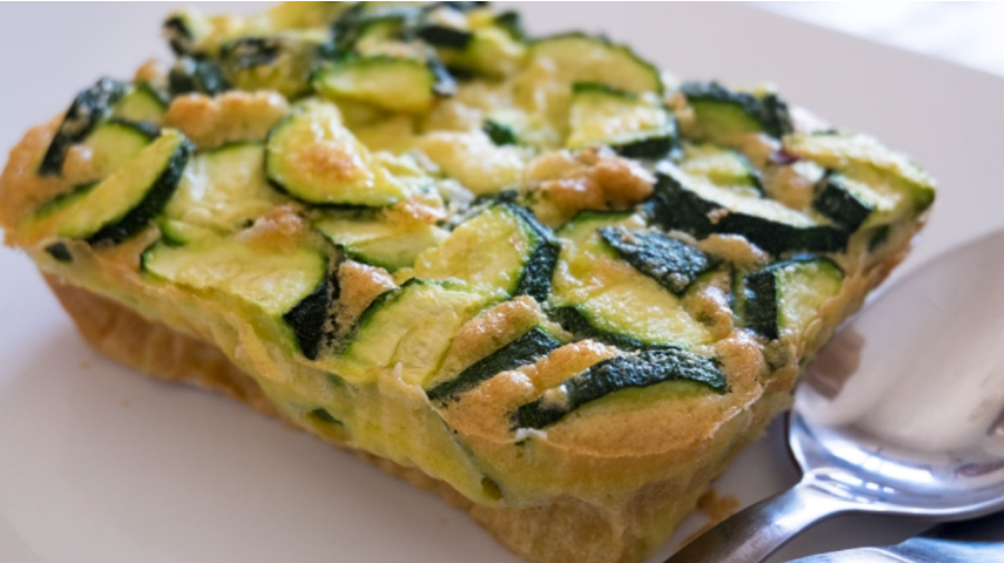
Source: era-online.org
Presentation
Low-protein second course prepared with onion, garlic, dried tomato, chickpeas, zucchini, Parmigiano Reggiano, breadcrumbs, eggs, chickpea flour, turmeric, extra virgin olive oil, pepper and salt.
Ingredients
Serves 4
- 1 onion
- 1 garlic clove
- 1 sun-dried tomato
- 240 g cooked chickpeas (about 8.5 oz / 1¼ cups)
- 4 zucchini (about 600–800 g / 1.3–1.8 lb total)
- 40 g Parmigiano Reggiano cheese, grated (about 1.4 oz / ½ cup)
- 60 g breadcrumbs (about 2.1 oz / ½ cup)
- 2 eggs and 5 egg whites
- 40 g chickpea flour (about 1.4 oz / ⅓ cup)
- 20 g turmeric (about 0.7 oz / 2 tablespoons)
- Extra-virgin olive oil, as needed
- Water, as needed
- Black pepper, to taste
- A pinch of salt
Method
Cut garlic and onion
Fry them in a pan with oil over low heat for 5 minutes.
Add the chickpeas, the dried tomato cut into small pieces and a pinch of pepper
Cook for another 5 minutes, covered with a lid.
Once cooked, turn off the heat and set aside.
Cut the zucchini into cubes
Add the Parmigiano Reggiano, breadcrumbs, a pinch of salt and chickpea flour.
Add the previously prepared mixture and mix.
When the mixture is smooth, season with turmeric.
Add the eggs and mix well.
Oil a baking sheet and pour the dough
Level with a spatula and place in a preheated oven for 30-40 minutes at 180°C.
Let it cool for half an hour before serving.
Allergens
Garlic: very rare cases of garlic reactivity reported
Chickpeas: contain proteins that can trigger allergic reactions in some individuals
Onion: possible reactivity in case of nickel allergy due to the vegetable’s ability to concentrate it
Turmeric: possible, albeit rare, cases of hypersensitivity or allergy to its components
Extra virgin olive oil: unusual allergy; intolerance not described
Breadcrumbs: cereals containing gluten included in EU Regulation 1169/2011
Parmigiano Reggiano PDO: contains milk allergens
Pepper: possible cross-reactivity in case of intolerance to spices
Tomatoes: possible cross-reaction in case of sensitivity to grasses
Egg: included among the allergens in EU Regulation 1169/2011
Notes
To be prepared and handled under strict hygienic conditions.
The ingredients of the dish bring the following benefits:
Garlic: has immune-stimulating properties, promotes liver function and the elimination of waste metabolites. It also has hypocholesterolemic, lipid-lowering, antiplatelet, hypotensive and hypoglycemic properties that promote cardiac function.
Chickpeas: bearer of factors that promote the functionality of the immune system and regulate blood sugar and due to the content of mineral salts, vitamins and antioxidants, it acts to protect the cardiovascular system; also suitable for nephropathic patients and useful for the functioning of the liver for the contribution of vitamins, mineral salts and antioxidants.
Onion: rich in selenium that supports the immune system and with the ability to stabilize blood glucose at normal values; carrier of quercetin, a flavonoid that helps contain cholesterol and triglyceride levels in the blood, parameters related to cardiovascular risk, which also supports liver function by promoting the purification of the body. Also suitable for nephropathic patients.
Turmeric: has anti-inflammatory properties, facilitates digestion and stimulates the immune system
Extra virgin olive oil: source of Vitamin E that protects the immune system from harmful fatty acids
Wholemeal bread: source of fiber that supports the intestinal microbiota, improves intestinal transit and provides B vitamins and minerals that strengthen the immune system; also suitable for kidney patients.
Parmigiano Reggiano PDO: useful for the proper functioning of the liver
Pepper: contains piperine, a powerful antioxidant; improves insulin sensitivity by reducing cholesterol levels and activating metabolism. Recommended for people with cardiovascular problems.
Tomato: rich in vitamin C, the antioxidant par excellence that fights free radicals and supports the immune system, and provides mineral salts, vitamins and antioxidants that act to protect the cardiovascular system; also suitable for nephropathic patients. Useful for the functioning of the liver for the supply of vitamins, mineral salts and antioxidants
Eggs: source of Vitamin E that protects the immune system from harmful fatty acids
Safety / Intended use
Also intended for individuals suffering from:
- Anorexia – Weight Loss
- Xerostomia (dry mouth)
- Constipation
With caution in case of:
- Mucositis (inflammation and lesions of the oral cavity)