

Sea Bass with Orange Aroma
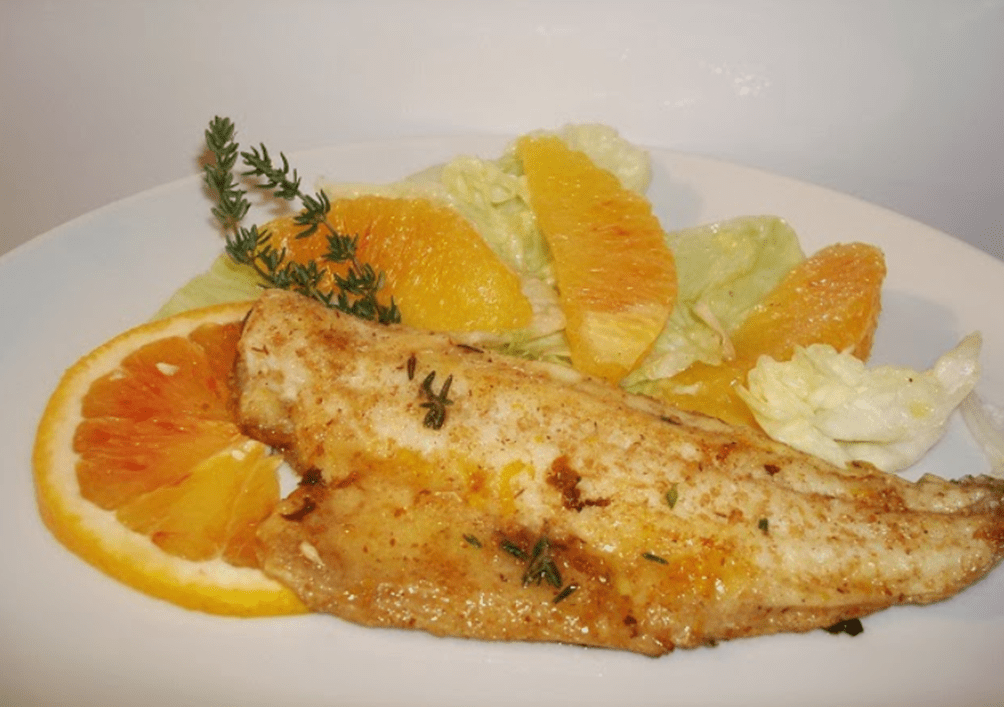
Source: iulm.it; photo: lacucinadellapallina.it
PRESENTATION
A fish main course prepared with sea bass, tomatoes, rosemary, capers, garlic, orange, Pecorino cheese, parsley, corn, white wine, extra virgin olive oil, salt, and pepper.
INGREDIENTS:
Serves 2
17,5 oz (500 g ) sea bass fillets
4 vine-ripened tomatoes
2 sprigs fresh rosemary
2 tablespoons desalinated capers
1 clove garlic
1 orange
2 teaspoons Pecorino cheese
Parsley, to taste
2 tablespoons grated corn
2 tablespoons white wine
2 teaspoons extra virgin olive oil
Salt, to taste
Pepper, to taste
METOD
Rinse the sea bass fillets.
Place them in a microwave-safe baking dish.
Slice the garlic clove into thin slivers.
Finely chop the rosemary and place it over the fish together with the garlic.
Wash and dry the tomatoes, then cut them into thick slices and arrange them over the fillets.
Finely chop the parsley.
Mix it with the cheese, corn, and pepper, then sprinkle the mixture over the tomatoes.
Season with salt and pepper, then drizzle with 2 tablespoons of white wine and 2 tablespoons of water.
Peel the orange and slice it.
Place the orange slices in the spaces between the fish and the tomatoes.
Drizzle with extra virgin olive oil.
Cook using the Crisp function for 18 minutes.
Serve hot.
ALLERGENS:
- Garlic: very rare cases of reactivity have been reported
- Orange: possible individual intolerance; possible cross-reactivity in cases of allergy to grass pollens
- Sea bass: fish is listed among allergens in EU Regulation 1169/2011
- Capers: known for their ability to counteract allergy symptoms
- Corn: possible cross-reactivity in individuals sensitive to grasses
- Extra virgin olive oil: allergy is uncommon; intolerance has not been described
- Pecorino cheese: milk allergens
- Pepper: possible cross-reactivity in individuals sensitive to spices
- Tomatoes: possible cross-reactivity in individuals sensitive to grasses
- Parsley: possible cross-reactivity in individuals allergic to spices, mugwort, or plants of the Asteraceae family
- Rosemary: possible reaction in individuals sensitive to spices
- White wine: contains sulfites, which are listed among allergens in EU Regulation 1169/2011
NOTE
- Prepare and handle under strict hygienic conditions.
- White wine may be used in recipes intended for children, as the alcohol evaporates during cooking while the aroma remains.
Nutritional Benefits of the Ingredients:
- Garlic: immune-boosting properties; supports liver function and the elimination of metabolic waste; also has cholesterol-lowering, lipid-lowering, antiplatelet, hypotensive, and blood glucose–lowering effects that support cardiovascular health
- Orange: provides flavonoids (vitamin P), antioxidants that enhance the action of vitamin C, supporting immune and cardiovascular systems; also suitable for individuals with kidney disease and beneficial for liver function
- Sea bass: rich in zinc and selenium, which support immune function and help prevent the formation of prostaglandins that impair cellular function; high in omega-3 fatty acids, which inhibit platelet aggregation (a cardiovascular risk factor); beneficial for liver function due to its content of zinc, selenium, and omega-3 and omega-6 fatty acids
- Capers: a source of antioxidants that support the immune system; rich in rutin, which strengthens capillaries and inhibits platelet aggregation, supporting cardiovascular health
- Corn: rich in carotenoids that support immune function
- Extra virgin olive oil: a source of vitamin E, which protects the immune system from harmful fatty acids
- Pecorino cheese: beneficial for liver function when aged
- Pepper: contains piperine, a powerful antioxidant; improves insulin sensitivity, reduces cholesterol levels, and activates metabolism; recommended for individuals with cardiovascular conditions
- Tomato: rich in vitamin C, minerals, vitamins, and antioxidants that protect the cardiovascular system; suitable for individuals with kidney disease and beneficial for liver function
- Parsley: rich in carotenoids, minerals, vitamins, and antioxidants that support immune and cardiovascular health; also suitable for individuals with kidney disease and beneficial for liver function
- Rosemary: rich in compounds that support kidney function by stimulating diuresis, promote cardiovascular health by encouraging perspiration, and support liver function by promoting bile secretion
- White wine (moderate consumption): helps reduce LDL (“bad”) cholesterol and increase HDL (“good”) cholesterol, lowering the risk of heart attack and stroke; also has detoxifying and cleansing properties beneficial for liver function
SAFETY / INTENDED USE
Also suitable for individuals with:
- Anorexia / weight loss
Not suitable in cases of:
- Nausea and vomiting
- Constipation
- Mucositis (inflammation and lesions of the oral cavity)
- Dysphagia (chewing and swallowing difficulties)