Frankfurt Green Sauce
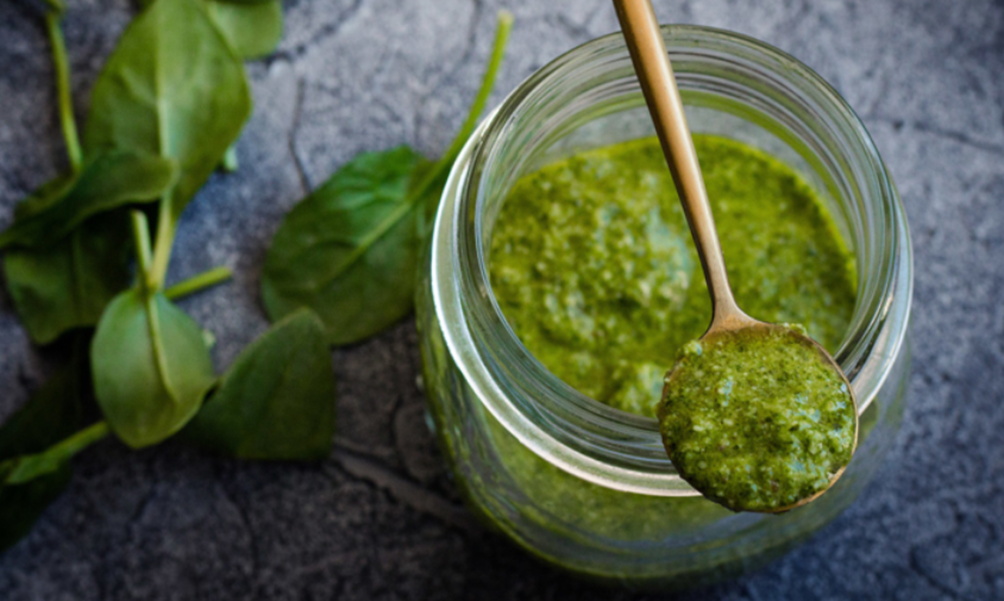
Source: era-online.org
Presentation
Low-protein side dish of German origin prepared with fresh herbs (e.g., parsley, chives, chervil, watercress, pimpinella, borage, sorrel, lemon balm, tarragon, lovage), sour cream, yogurt, vinegar, extra virgin olive oil, sugar, salt and pepper.
Ingredients
Serves 4
200 g (7.1 oz) mixed fresh herbs (such as parsley, chives, chervil, watercress, salad burnet, borage, sorrel, lemon balm, tarragon, and lovage)
250 g (8.8 oz) sour cream or crème fraîche
400 g (14.1 oz) plain yogurt
1 tablespoon vinegar
2 tablespoons extra-virgin olive oil
Sugar, to taste
Salt, to taste
Freshly ground black pepper, to taste
Method
Wash the herbs,
Shake to dry and
Tear from the stems.
Finely chop with a knife.
Mix sour cream, yogurt, 2 tablespoons of oil, and 1 tablespoon of vinegar.
Season with salt and pepper.
Incorporate herbs.
Cover it in the fridge for several hours.
Season again with salt, pepper and a pinch of sugar.
Allergens
Wine vinegar: presence of sulphites
Sorrel: possible individual allergy
Borage: possible individual allergy
Chervil: possible allergic reaction
Watercress: possible allergic reaction
Tarragon: individual reactivity in case of allergy to Asteraceae
Chives: possible cross-reaction in case of garlic and onion allergy
Lovage: cases of intolerance described
Lemon balm: described albeit rare skin reactions
Extra virgin olive oil: unusual allergy; intolerance not described
Cream: presence of lactose and milk proteins
Pepper: possible cross-reactivity in case of intolerance to spices
Parsley: possible cross-reaction in case of allergy to spices, mugwort, composites
Yogurt: milk proteins and lactose
Notes
To be prepared and handled under strict hygienic conditions.
The ingredients of the dish bring the following benefits:
Wine vinegar: it is rich in grape polyphenols which make it an antioxidant food capable of strengthening the immune system, fighting the harmful action of free radicals, but also keeping blood sugar levels under control thanks to the presence of acetic acid and reducing blood pressure.
Sorrel: rich in vitamins and minerals that give diuretic properties and favorable to liver function
Borage: in folk medicine, borage is considered purifying, diuretic and detoxifying. However, due to its content in pyrrolizidine alkaloids, toxic to the liver, it should not be used for food purposes as a salad
Watercress: salad source of carotenoids, chlorophyll and Vitamin E that protect the immune system from harmful fatty acids and mineral salts, vitamins and antioxidants that act to protect the cardiovascular system; also suitable for nephropathic patients.
Tarragon: rich in antioxidants, stimulates diuresis
Chives: rich in carotenoids that support the immune system and mineral salts, vitamins and antioxidants, it acts to protect the cardiovascular system and liver function.
Lovage: has diuretic properties
Lemon balm: useful in case of stress and depressive state
Extra virgin olive oil: source of Vitamin E that protects the immune system from harmful fatty acids
Pepper: contains piperine, a powerful antioxidant; improves insulin sensitivity by reducing cholesterol levels and activating metabolism. Recommended for people with cardiovascular problems.
Parsley: rich in carotenoids that support the immune system and mineral salts, vitamins and antioxidants that act to protect the cardiovascular system; also suitable for nephropathic patients and useful for the functioning of the liver for the supply of vitamins, mineral salts and antioxidants
Yoghurt: fermented products rich in lactic ferments that regulate the intestinal flora and promote the functionality of the immune system. Useful for the functioning of the liver for the supply of probiotics, vitamins, mineral salts and antioxidants
Safety / Intended use
Also intended for subjects with:
- Xerostomia (dry mouth)
- Mucositis (inflammation and injury of the oral cavity)
- Dysphagia (difficulty chewing and swallowing)