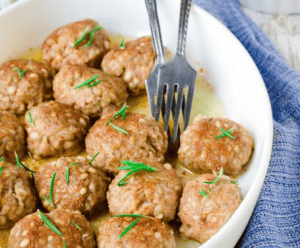
Low-protein fried dumpling

Source: nephrodiet francapasticci.it
Presentation
A recipe consisting of a second course prepared withapoprotein butter, rice “milk”, brewer’s yeast, lard, salt
Ingredients
Apoprotein flour – 250 g (8.8 oz / ≈ 2 cups)
Rice milk – 110 ml (3.7 fl oz / ≈ ½ cup)
Brewer’s yeast (fresh) – ½ cube (12.5 g / 0.44 oz)
Lard (in the dough) – 1 tablespoon (≈ 20 g / 0.7 oz)
Salt – 1 pinch (≈ 1 g / 0.03 oz)
Lard (for frying) – 100 g (3.5 oz / ≈ 7 tablespoons)
Method
Dissolve the yeast in warm milk
Mix it with flour, water, lard and salt until you get a soft dough.
Let rise for about 1 hour.
Roll out a sheet of about half a cm
Cut it into small diamonds
Fry them in boiling lard.
Drain and place them upright next to each other in order to drain them from excess grease.
Allergens
Protein-free flour: gluten-free
Rice “milk”: (allergy very common in the Far East, almost unknown in Italy and Europe). Possible cross-reaction in case of grass sensitivity
Brewer’s yeast: does not contain allergens
Notes
To be prepared and handled under strict hygienic conditions.
“Milk” is a very common term but by law it can only be used for the mammary secretion of animals. In fact, in 2017 the Court of Justice of the European Union prohibited the use of the term “milk” for plant products.
It is therefore correct to speak of a drink
The ingredients of the dish bring the following benefits:
Protein-free flour: indicated in case of kidney failure or liver dysfunction. It stimulates the synthesis of serotonin which counteracts depression and promotes good mood
Rice “milk”: provides zinc, an element favorable to the proper functioning of the immune system; also suitable for nephropathic patients:
Brewer’s yeast: improves metabolism and helps strengthen the immune system
Salt: essential for the balance of body fluids and for the transmission of nerve impulses, it is however to be consumed respecting the limit of 5 g per day according to the indications of the WHO so as not to promote arterial hypertension and consequent increase in the risk of cardio-cerebrovascular diseases starting from myocardial infarction and cerebral stroke; to be limited as much as possible in the case of nephropathy.
Lard or lard: source of vitamin D, monounsaturated and polyunsaturated fats, but also saturated fats and cholesterol. It is important to consume it in moderation, especially for those with cholesterol problems or cardiovascular risk.
Safety / Intended use
Product also intended for subjects with:
- Anorexia – Weight Loss
Not recommended in case of:
- Dysphagia (problems chewing and swallowing)
- Nausea and vomiting
- Diarrhea
- Mucositis (inflammation and lesions of the oral cavity) with regard to acidity